


Stainless Steel Railing
Why Choose Us
QUALITY ASSURANCE
We have 100% quality guarantee to customers. We will be responsible for any quality problem.
Efficient and Convenient
The company has established marketing networks around the world to provide high-quality services to customers in an efficient and convenient manner.
GOOD SERVICE
High-quality after-sales service, tracking usage, and positive feedback. Rapid response within 24 hours.
FAST DELIVERY
We have full stock, and can deliver within short time. Many styles for your choices.
What is Stainless Steel Railing
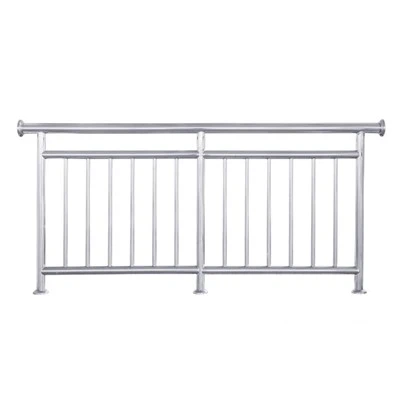
Stainless steel railing refers to a type of railing system constructed using stainless steel. Stainless steel is a metal alloy primarily composed of iron, with a minimum of 10.5% chromium content, which creates a protective layer on the surface, known as a passive layer. This layer makes stainless steel highly resistant to corrosion, rust, and staining compared to other types of steel.



Reasons Why You Should Use Stainless Steel Railings


Strength
Out of all railing materials available to architects, stainless steel is the strongest and most durable. To prove this, let’s take a look at its tensile strength compared to aluminum. Tensile strength is measured as force per unit area, and in the International System of Units (SI), the unit is the “pascal” (Pa); a multiple is called “megapascal,” or MPa. The ultimate strength for stainless steel is 590 MPa versus that of 300 MPa for 6061-T6 aluminum.
Eco-Friendly
For architects looking to use sustainable materials in their designs, stainless steel is a perfect choice. Stainless steel is 100% recyclable and can be recycled to make more steel materials without losing its quality.
Affordability
While stainless steel might not be the cheapest option at its initial price, its durability and low maintenance makeup for the cost.
Aesthetics
Stainless steel railings offer a sleek and modern aesthetic to any contemporary design. They are not easily damaged and do not wear and tear, ensuring your design will remain visually pleasing for a longer period of time.
Design Diversity
When choosing custom prefabricated railings, you are ordering a custom-designed railing system where pieces are pre-fabricated and put together per the approved railing specifications. The customization is achieved by the designer picking and choosing the various components to create the railing systems. These systems are typically pre-tested and approved to meet specific building code requirements. Since many prefabricated systems are manufactured outside the United States delivery times will be dependent on inventory or if the components need to be ordered from the original manufacturer. Additionally with prefab railings there is typically more labor on the jobsite which could off-set the price difference from custom fabricated railings.
Purpose of Railing
The first consideration should be the purpose of the railing. Is it for safety purposes only, or do you want to enhance the aesthetics of the building? If it is for safety purposes only, then you should choose a material that is sturdy and durable enough to withstand the required load capacity. On the other hand, if you want to enhance the aesthetics of the building, you should choose a material that is visually appealing and can be customized to fit the design requirements.
Location
The location of the railing is another important factor to consider. Different environments have different requirements for railings. For example, if the railing is being installed in a coastal area that is prone to saltwater, you should choose a material that is resistant to corrosion. Similarly, if the railing is being installed in an area with harsh weather conditions, you should choose a material that is weather-resistant.
Size and Shape
The size and shape of the railing are also important factors to consider. The height of the railing should conform to building code requirements and the expected load capacity. The shape of the handrail should be comfortable to grip and use. Generally, round handrails are easier to grip than square or rectangular ones. The size of the handrail should also be sufficient to provide a comfortable grip.
Finish
The finish of the railing is also an important consideration. Stainless steel can be finished in various ways, such as polished, brushed, or satin. The finish can affect the appearance of the railing as well as its maintenance requirements. A polished finish will require regular cleaning to maintain its shine, while a brushed or satin finish will hide scratches and fingerprints better.
Grade of Stainless Steel
Stainless steel is available in different grades, each with different properties that make them suitable for different applications. The most common grades of stainless steel used for railings are 304 and 316. 304 stainless steel is the most commonly used grade and is suitable for indoor applications. 316 stainless steel has higher corrosion resistance and is suitable for outdoor and coastal applications where exposure to saltwater is likely.
Design
The design of the railing should match the overall design of the building. Stainless steel railings can be customized to fit any design requirements. The design can be simple or complex, depending on the requirements of the building. Customized designs can be achieved through different fabrication methods, such as welding or bending.
Budget
The budget is an important factor in selecting the right stainless steel railing material. Stainless steel railings are generally more expensive than other materials such as wood or aluminum. The cost of the railing will depend on the grade of stainless steel, finish, size, and design requirements. It is important to keep in mind that while stainless steel railings may have a higher upfront cost, their low maintenance requirements and durability can make them a cost-effective option in the long run.
Is It Stainless Steel Railing Easy To Clean And Maintain?
General Cleaning Techniques
When it comes to cleaning and maintaining stainless steel railing, there are a few general techniques to keep in mind. The first step is to remove any surface dirt or debris with a soft cloth or brush. For tougher stains, a solution of warm water and mild soap can be used to gently scrub the affected area. After cleaning, it is important to rinse the railing thoroughly with clean water and dry it with a clean cloth to prevent water spots or streaks. In addition to regular cleaning, stainless steel railing can also benefit from occasional polishing with a stainless steel cleaner or polish to restore its shine and luster. With proper care, stainless steel railing can remain a beautiful and durable addition to any space for years to come.
Removing Oil And Grease
To remove oil and grease from stainless steel railing, you can use a solution of warm water and dish soap or a mild detergent. Apply the solution with a soft cloth or sponge and gently rub the affected area. Rinse with clean water and dry with a soft cloth. For tougher stains, you can use a non-abrasive cleaner specifically designed for stainless steel. Be sure to read the manufacturer's instructions before use and test the cleaner on a small, inconspicuous area first. Avoid using steel wool or other abrasive materials, as they can scratch and damage the surface of the railing.
How To Remove Scorch Marks From Stainless Steel Surfaces
Scorch marks can be unsightly and difficult to remove from stainless steel surfaces. However, with a few simple techniques, you can remove them easily and effectively.
One method for removing scorch marks is to use a mixture of baking soda and water. Simply mix the two together to form a paste, then apply it to the affected area with a soft cloth. Rub gently in a circular motion, being careful not to scratch the surface of the stainless steel. Once the scorch marks have been removed, rinse the area thoroughly with clean water and dry with a soft towel.
The Importance Of Regular Maintenance
Regular maintenance is crucial to keep your stainless steel railing in good condition. Stainless steel is a durable and long-lasting material, but it can still be affected by environmental factors, such as saltwater, chemicals, and pollution. Without proper care, stainless steel can become tarnished, corroded, or discolored over time. Regular maintenance can help prevent these issues and keep your stainless steel railing looking its best. It also helps to extend the lifespan of your railing and avoid costly repairs or replacements in the future.
How to choose stainless steel railing
Purpose of Railing
The first consideration should be the purpose of the railing. Is it for safety purposes only, or do you want to enhance the aesthetics of the building? If it is for safety purposes only, then you should choose a material that is sturdy and durable enough to withstand the required load capacity. On the other hand, if you want to enhance the aesthetics of the building, you should choose a material that is visually appealing and can be customized to fit the design requirements.
Location
The location of the railing is another important factor to consider. Different environments have different requirements for railings. For example, if the railing is being installed in a coastal area that is prone to saltwater, you should choose a material that is resistant to corrosion. Similarly, if the railing is being installed in an area with harsh weather conditions, you should choose a material that is weather-resistant.
Size and Shape
The size and shape of the railing are also important factors to consider. The height of the railing should conform to building code requirements and the expected load capacity. The shape of the handrail should be comfortable to grip and use. Generally, round handrails are easier to grip than square or rectangular ones. The size of the handrail should also be sufficient to provide a comfortable grip.
Budget
The budget is an important factor in selecting the right stainless steel railing material. Stainless steel railings are generally more expensive than other materials such as wood or aluminum. The cost of the railing will depend on the grade of stainless steel, finish, size, and design requirements. It is important to keep in mind that while stainless steel railings may have a higher upfront cost, their low maintenance requirements and durability can make them a cost-effective option in the long run.
Finish
The finish of the railing is also an important consideration. Stainless steel can be finished in various ways, such as polished, brushed, or satin. The finish can affect the appearance of the railing as well as its maintenance requirements. A polished finish will require regular cleaning to maintain its shine, while a brushed or satin finish will hide scratches and fingerprints better.
Grade of Stainless Steel
Stainless steel is available in different grades, each with different properties that make them suitable for different applications. The most common grades of stainless steel used for railings are 304 and 316. 304 stainless steel is the most commonly used grade and is suitable for indoor applications. 316 stainless steel has higher corrosion resistance and is suitable for outdoor and coastal applications where exposure to saltwater is likely.
Design
The design of the railing should match the overall design of the building. Stainless steel railings can be customized to fit any design requirements. The design can be simple or complex, depending on the requirements of the building. Customized designs can be achieved through different fabrication methods, such as welding or bending.
Size and Shape
The size and shape of the railing are also important factors to consider. The height of the railing should conform to building code requirements and the expected load capacity. The shape of the handrail should be comfortable to grip and use. Generally, round handrails are easier to grip than square or rectangular ones. The size of the handrail should also be sufficient to provide a comfortable grip.
Since its establishment, the company has always adhered to the business philosophy of "honesty based, win-win cooperation". We have established long-term and friendly strategic cooperation relationships with domestic and foreign real estate and construction enterprises.

FAQ
We're well-known as one of the leading stainless steel railing manufacturers and suppliers in China. If you're going to buy high quality stainless steel railing made in China, welcome to get pricelist and free sample from our factory. Also, customized service is available.
MRT Station Stainless Steel Railing, Thermal Break Aluminum Sliding Door